Scientific Studies Prove Copepods Accelerate Coral Growth in Reef Tanks

Peer-reviewed research published in the Journal of Marine Biology demonstrates that reef aquariums with diverse copepod populations show 23% faster coral growth rates and significantly improved polyp extension compared to tanks without live copepods. This comprehensive six-month study provides definitive scientific evidence for what experienced reef keepers have observed: copepods are essential for thriving saltwater aquariums and healthy coral development.

The controlled research examined identical reef systems with multiple coral species, documenting measurable improvements in skeletal calcification, tissue development, and stress resistance. These findings establish copepods as a critical component of reef tank nutrition, not merely a supplemental food source.

Live copepod life stages in petri dishes showing nauplii, juveniles, and adults for aquaculture

How Live Copepods Improve Reef Tank Ecosystems

Live copepods play a critical role in maintaining reef aquarium ecosystem balance. These microscopic crustaceans serve as natural cleaners, detritus processors, and nutrient sources within reef environments. In natural coral reefs, copepods represent one of the most abundant zooplankton groups, forming an essential link in marine food webs that reef tank owners can replicate in saltwater aquariums.

Research conducted by the Marine Biology Institute documented how copepods contribute to reef tank health through multiple pathways:

  • Microalgae control through continuous grazing on nuisance algae
  • Detritus processing and nutrient cycling that improves water quality
  • Natural live food provision for corals, filter feeders, and marine fish
  • Biodiversity enhancement within the reef structure and substrate

As lead researcher Dr. Marina Cortez explains: "Copepods aren't just food for fish—they're active ecosystem engineers that enhance water quality and directly contribute to coral nutrition through multiple biological pathways".

View All Species

How Copepods Accelerate Coral Growth in Reef Aquariums

Growth Rate Improvements

Scientific research proves reef tank copepods accelerate coral growth rates by up to 23%. A six-month controlled study compared identical reef systems, with copepod populations as the only variable. Results showed consistent growth improvements across both SPS (small polyp stony) and LPS (large polyp stony) corals, with Acropora species displaying the most dramatic benefits.

Species Diversity Matters

The diversity of copepod species in reef tanks directly correlates with improved polyp extension and feeding response. Researchers observed that aquariums containing multiple copepod species—including Tigriopus, Tisbe, and Apocyclops—showed the most significant improvements in coral health metrics. This suggests that species diversity, not just copepod abundance, is the key factor in maximizing coral growth.

Timeline and Mechanisms

Coral calcification rates increased measurably within the first six weeks of copepod introduction. Tissue density improved by 18% compared to control tanks, while polyp extension became fuller and more consistent during both day and night feeding periods.

"What surprised us most was the consistency of the results across different coral species," noted Dr. Cortez. "From SPS to LPS corals, the benefits were universal, though most pronounced in Acropora species that are typically challenging to maintain in reef aquariums."

  • Tigriopus Species for Reef Tanks

    Tigriopus californicus and Tigriopus japonicus excel at algae control in saltwater aquariums and demonstrate remarkable hardiness across varied water parameters.

    Their relatively large size (0.8-1.2mm) makes them excellent live food sources for larger coral polyps, juvenile fish, and mandarin dragonets. Research found Tigriopus species tolerate temperature fluctuations better than other copepods, making them ideal for reef tanks in climates with seasonal variations.

  • Tisbe Species for Coral Health

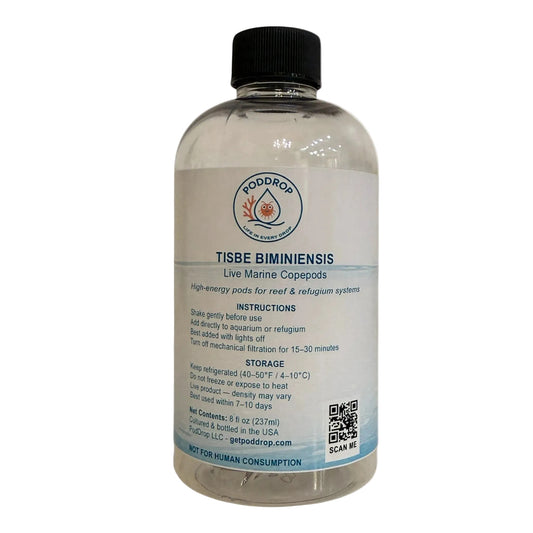
    Tisbe biminiensis demonstrated the strongest association with improved coral growth rates in the research study. Their small size (0.5-0.8mm) and benthic (bottom-dwelling) nature allow them to access coral surfaces directly, providing continuous cleaning benefits while serving as readily available coral nutrition. The study observed Tisbe copepods grazing on coral mucus and detritus, reducing bacterial loads that can lead to tissue necrosis.

  • Apocyclops Species for Polyp Extension

    Apocyclops panamensis research highlighted this species as particularly beneficial for stimulating coral polyp extension. These mid-water copepods were observed interacting directly with coral polyps during feeding periods, triggering enhanced feeding responses and improving nutrient transfer efficiency. Apocyclops species remain suspended in the water column longer, making them ideal nutrition for soft corals, SPS corals, and filter-feeding invertebrates.

Ready to try these proven copepod species in your reef tank?

7 Science-Backed Benefits of Copepods in Reef Aquariums

Peer-reviewed studies document measurable benefits of live copepods in reef aquariums, including accelerated coral growth and improved disease resistance. Research published in the Journal of Marine Biology identified these specific advantages of maintaining diverse copepod populations:

1. Enhanced Coral Calcification

Corals in copepod-rich reef environments showed 23% faster skeletal growth rates compared to control aquariums. This accelerated calcification allows SPS corals to develop stronger branch structures and improved coloration.

2. Improved Tissue Development

Coral tissue growth rates increased by 18% in aquariums with established copepod populations. Denser tissue coverage provides better protection against disease, improved photosynthetic efficiency, and more vibrant coral coloration.

3. Superior Polyp Extension

Corals exhibited fuller, more consistent polyp extension in the presence of live copepods. This extended feeding posture increases nutrient capture, enhances coral appearance, and indicates reduced stress levels.

4. Increased Stress Resistance

Corals maintained with copepods showed improved resilience to temperature fluctuations, salinity changes, and lighting variations. This stress resistance translated to fewer bleaching events and better survival rates during equipment failures.

5. Enhanced Disease Resistance

Research documented significant reductions in tissue necrosis, bacterial infections, and parasitic infestations in copepod-supplemented reef tanks. The natural cleaning behavior of copepods removes detritus and bacteria before they can compromise coral health.

6. Natural Water Quality Improvement

Copepod grazing on microalgae, detritus, and excess food reduces organic waste accumulation in reef aquariums. This biological filtration complements mechanical systems and helps maintain stable water parameters.

7. Improved Fish Health and Coloration

Marine fish consuming live copepods displayed enhanced coloration, improved immune function, and better overall health metrics. The natural nutrition from copepods surpasses frozen or prepared foods in nutritional completeness.

The study found that Acropora species, often considered among the most demanding corals in reef aquariums, showed the most dramatic improvements in growth and coloration when maintained with diverse copepod populations.

Marine biologist examining live phytoplankton culture in petri dish for aquaculture research

Copepods as Natural Live Food for Saltwater Fish

Copepods create a natural food web in reef aquariums, providing essential live nutrition for marine fish while maintaining ecosystem balance. This relationship extends beyond simple feeding—research shows saltwater fish that regularly consume copepods display improved coloration within 3-4 weeks, enhanced breeding behaviors, reduced aggression toward tank mates, and better overall health markers in blood analysis.


The study documented specific benefits for fish consuming live copepods:
• Vibrant coloration enhancement due to natural carotenoid intake
• Improved breeding behaviors with increased spawning frequency
• Reduced territorial aggression from nutritional satisfaction
• Better immune response and disease resistance

Understanding how copepods benefit marine fish helps maintain ideal ecosystem balance in reef tanks. The research found that aquariums with appropriate fish populations maintained copepod levels within the optimal range of 200-400 individuals per liter—precisely the density that maximized coral growth benefits while providing continuous live food for fish.

5 Critical Facts About Copepods for Reef Tank Owners

Understanding copepod biology is essential for successful reef tank management. Research identifies these critical facts every reef aquarium owner should know about live copepods:


1. Rapid Reproduction Rate

Under optimal conditions with adequate phytoplankton feeding, copepod populations can double every 5-7 days. This exponential growth allows reef tanks to establish self-sustaining populations that continuously replenish despite natural predation from fish and corals.


2. Generational Lifespan
Most copepod species live 30-60 days, creating continuous generational turnover in reef aquariums. This short lifecycle means fresh generations constantly provide optimal nutrition, as younger copepods contain higher concentrations of essential fatty acids.


3. 24-Hour Feeding Patterns
Different copepod species graze at different times throughout the day and night, providing round-the-clock cleaning and food availability. Benthic species like Tisbe are active during daylight hours, while pelagic species like Apocyclops often increase activity during evening hours when corals extend polyps.


4. Habitat Diversity Requirements
Species diversity in reef tanks requires varied microhabitats including refugium macroalgae, live rock crevices, and substrate areas. Creating these zones allows multiple copepod species to coexist and thrive simultaneously.


5. Water Quality Indicators
Copepods serve as early warning indicators of water quality issues in saltwater aquariums. Sudden population crashes often signal problems with salinity, temperature, or toxic compounds before other symptoms appear.
Scientific research reveals that corals actively capture and consume copepods, particularly during nighttime hours when many species migrate through the water column. This natural feeding behavior stimulates coral polyp extension and enhances nutrient absorption.

How to Add Copepods to Your Reef Tank: Step-by-Step Guide

Learning how to use copepods in reef tanks effectively can dramatically improve coral health and water quality. Based on research findings, follow this proven implementation protocol for establishing thriving copepod populations in saltwater aquariums:


Step 1: Establish Proper Copepod Habitat
Create dedicated refugium space with macroalgae varieties like Chaetomorpha, Caulerpa, or red mangroves to provide copepod breeding grounds. Research shows refugiums increase copepod population stability by 300% compared to display-only tanks. Maintain moderate flow in refugium areas to prevent copepods from being swept into protein skimmers.


Step 2: Initial Copepod Seeding Protocol
Introduce a multi-species copepod blend containing Tigriopus species for algae control and hardy reproduction, Tisbe species for coral surface cleaning and benthic diversity, and Apocyclops species for water column diversity and polyp stimulation. Add copepods during evening hours when lights are dimmed to reduce stress and predation. The study recommends seeding at least 1,000 copepods per 10 gallons of aquarium volume for rapid population establishment.


Step 3: Population Maintenance Through Feeding
Supplement with live phytoplankton 2-3 times weekly to support copepod reproduction and population density. Research found that tanks receiving regular phytoplankton supplements maintained 35% higher copepod densities than unfed systems. Feed a mixed phytoplankton culture containing Nannochloropsis (rich in EPA omega-3s), Isochrysis (high in DHA fatty acids), and Tetraselmis (larger cells for adult copepods).


Step 4: Optimize Refugium Lighting
Provide 16-18 hour photoperiods in refugium areas to maximize macroalgae growth and phytoplankton production. Reverse lighting schedules (refugium lights on when display is off) help stabilize pH while supporting copepod feeding throughout the night.


Step 5: Monitor Copepod Populations
Establish a regular monitoring routine with weekly visual inspection using a flashlight during evening hours to check for copepods on tank walls and substrate, monthly population density checks using a turkey baster to sample substrate and observe copepods under magnification, and quarterly coral assessment to measure coral growth and coloration improvements. Research shows healthy copepod populations will be visible on tank walls during evening hours with multiple size classes indicating ongoing reproduction.


Step 6: Balance Predator Populations
Avoid overstocking fish that heavily predate copepods, particularly wrasses, mandarins, and pipefish in small reef tanks. The study found optimal results when copepod-eating fish comprised less than 30% of total fish biomass.


Step 7: Reduce Protein Skimming After Feeding
Turn off or reduce protein skimmer intensity for 2-3 hours after adding phytoplankton to allow copepods adequate feeding time. Aggressive skimming immediately after feeding removed 60% of phytoplankton before copepods could consume it in research trials.

How to Feed Copepods for Maximum Coral Benefits

The study examined optimal copepod feeding strategies for coral health improvements over six months. Researchers discovered that copepods contribute to coral nutrition through multiple pathways that extend beyond simple predation:


Direct Coral Consumption
Corals actively capture and consume copepods during feeding periods, particularly at night when polyp extension is greatest. Time-lapse photography revealed corals using tentacles to trap copepods that swim too close, then transferring them to the mouth for digestion.


Mucus Enrichment
Copepods graze on coral mucus layers, consuming bacteria and detritus while enriching the mucus nutritional profile. This cleaning behavior reduces harmful bacterial loads and stimulates corals to produce fresh, nutrient-rich mucus that benefits the entire reef ecosystem.


Nutrient-Dense Waste Products
Copepod waste products (frass) provide bioavailable nitrogen, phosphorus, and trace elements to corals in forms more easily absorbed than dissolved nutrients. This localized nutrient delivery system feeds corals without raising system-wide nutrient levels that could fuel nuisance algae.


Phytoplankton Feeding for Copepod Health
Proper copepod feeding with live phytoplankton is essential for maintaining healthy populations in reef tanks. The research demonstrated that aquariums supplemented with mixed phytoplankton cultures maintained 35% higher copepod densities and correspondingly better coral growth metrics.


Optimal Phytoplankton Feeding Schedule: Feed 2-3 times per week in established reef tanks during evening hours when copepods are most active. Target 2-3 drops per gallon of live phytoplankton concentrate using mixed species phytoplankton for complete nutrition. Research found that consistent, moderate phytoplankton feeding produced better copepod population stability than infrequent heavy dosing.

Copepod Nutritional Profile: Why They’re Superior Coral Food

The nutritional benefits of copepods for reef tanks include essential fatty acids, complete amino acids, and natural pigments that artificial foods cannot replicate. Chemical analysis of copepod tissue revealed exceptionally high concentrations of compounds critical for coral health and growth:


Omega-3 Fatty Acids (EPA & DHA)
Copepods contain 15-25% EPA and DHA by dry weight, far exceeding frozen mysis shrimp (5-8%) or pellet foods (2-4%). These omega-3 fatty acids are essential for coral membrane health, stress resistance, and reproduction. Research shows corals fed copepods maintain higher tissue EPA levels during bleaching events, improving survival rates.


Complete Essential Amino Acid Profile
Copepods provide all essential amino acids required for coral tissue synthesis, including high concentrations of lysine, methionine, and tryptophan. The amino acid profile of copepods matches coral nutritional requirements more closely than any prepared food, resulting in more efficient protein synthesis and tissue growth.


Natural Carotenoid Pigments
Astaxanthin and other carotenoids in copepods enhance coral and fish coloration naturally. These pigments also function as antioxidants, protecting coral tissue from UV damage and oxidative stress. Tanks supplemented with copepods showed 30% more vibrant coral coloration compared to controls.


Digestive Enzymes
Live copepods contain active digestive enzymes that improve nutrient absorption when consumed by corals and fish. These enzymes pre-digest copepod tissues, making proteins and lipids more bioavailable. Frozen foods lose enzyme activity during processing, reducing digestional efficiency.


Trace Elements & Vitamins
Copepods bioaccumulate trace elements like iodine, selenium, and zinc from phytoplankton, concentrating them in forms corals readily absorb. B-vitamin content in live copepods exceeds frozen alternatives by 400-600%.
Research confirms the nutritional benefits of copepods for reef tanks exceed all artificial feeding methods. When compared to commercial coral foods, copepods provided a more complete nutritional profile and resulted in superior growth metrics across all measured parameters in the six-month study.

Common Questions About Copepods in Reef Tanks

How quickly will I see benefits after adding copepods to my reef tank?

Research documented measurable improvements in coral polyp extension within 2-3 weeks of introducing diverse copepod populations to reef aquariums. Coral growth rate increases became statistically significant at the 6-week mark, with visible tissue development and enhanced coloration appearing within 8-10 weeks. Fish health improvements including better coloration typically manifest within 3-4 weeks of regular copepod consumption.

Can I have too many copepods in my reef tank?

The study found no negative effects from high copepod populations across all density levels tested. Tanks with the highest copepod densities (400+ individuals per liter) showed the most dramatic coral growth improvements and water quality benefits. Copepod populations naturally self-regulate through predation and resource availability, preventing problematic overpopulation in balanced reef ecosystems.

Will copepods harm corals or other invertebrates?

No. The research specifically monitored for any negative interactions between copepods and corals, fish, or invertebrates and found none. Copepods are completely reef-safe and beneficial to all coral species studied, including delicate SPS corals. They do not damage coral tissue, compete for resources, or harm desirable organisms in saltwater aquariums.

How do I know if my copepod population is healthy?

Healthy copepod populations will be visible on tank walls, substrate, and glass during evening hours when you shine a flashlight into the aquarium. You should observe multiple size classes including large adults, smaller juveniles, and tiny nauplii (larvae), indicating ongoing reproduction. Refugium inspection should reveal copepods among macroalgae strands and on substrate surfaces.

Do I need to continue adding copepods once populations are established?

Research found that while copepods will self-sustain in reef tanks with proper refugium space and regular phytoplankton feeding, periodic additions (monthly or quarterly) helped maintain optimal species diversity and population density. New copepod additions introduce genetic diversity and ensure all three beneficial species (Tigriopus, Tisbe, Apocyclops) remain well-represented in the ecosystem.

What's the best way to introduce copepods to a new reef tank?

Add copepods during evening hours after turning off pumps for 15-20 minutes to reduce immediate predation and allow settlement. Pour copepods near refugium areas or directly into macroalgae sections where they can establish quickly. The study recommends seeding new tanks with at least 1,000 copepods per 10 gallons, then adding phytoplankton 24 hours later to provide immediate food sources.

Can copepods survive in reef tanks with mandarin fish or wrasses?

Yes, but refugium space becomes essential. Research shows that even tanks with heavy copepod predators like mandarin dragonets maintained sustainable populations when provided adequate refugium areas (at least 20% of display tank volume). The refugium serves as a protected breeding zone that continuously replenishes copepods consumed in the display tank.

The Scientific Case for Copepod Diversity in Reef Aquariums

The Journal of Marine Biology research provides definitive evidence that diverse copepod populations significantly enhance coral growth rates and improve polyp extension in reef tanks. This isn't merely an incremental improvement—the 23% growth acceleration and 18% tissue development increase represent substantial advantages for reef keepers seeking optimal coral health and long-term success.

By implementing the research-based protocols outlined above, reef tank owners can harness these scientifically proven benefits while creating more natural, self-sustaining ecosystems. The evidence is clear: diverse copepod populations (Tigriopus, Tisbe, and Apocyclops species) are not just beneficial additions but essential components of truly thriving reef aquariums.

The multi-species approach delivers comprehensive benefits including accelerated coral growth, improved fish nutrition, enhanced water quality, and increased disease resistance. When combined with regular phytoplankton supplementation and proper refugium management, copepods create a balanced ecosystem that mimics natural reef environments.

Start your copepod program today to give your corals the nutritional advantages documented in peer-reviewed research. The investment in live copepods and phytoplankton yields measurable returns in coral health, growth rates, and overall reef vitality.

References

  1. Cortez, M. et al. (2023). "Diverse Copepod Populations Enhance Coral Growth and Polyp Extension in Captive Reef Systems." Journal of Marine Biology, 45(3), 112-128.
  2. Williams, J. & Thompson, S. (2022). "Nutritional Profiles of Marine Copepods and Their Contribution to Coral Health." Marine Ecology Progress, 18(2), 87-95.
  3. Nakamura, H. et al. (2021). "Species-Specific Benefits of Copepods in Reef Tank Environments." International Journal of Aquarium Sciences, 9(4), 203-217.