Marine biologist examining live phytoplankton culture in petri dish for aquaculture research

Live marine microalgae

PHYTOPLANKTON

Compare live phytoplankton by culture group, target organism, culture objective, storage needs, and whether a single identified species or strain—or a multi-species blend—makes the most sense.

15 live-culture products

Defined live culturesSingle-culture and blended options for different programs
Application-led selectionChoose around the organism or system you intend to support
Insulated live shippingPacked for the selected live-delivery service
Handling guidanceProduct-specific receiving and storage instructions

Navigate the culture library

Start with culture group, then refine by use

Color groups are a convenient way to browse, not a complete nutritional or biological specification. Use the individual product details for the final decision.

Green cultures

Green phytoplankton

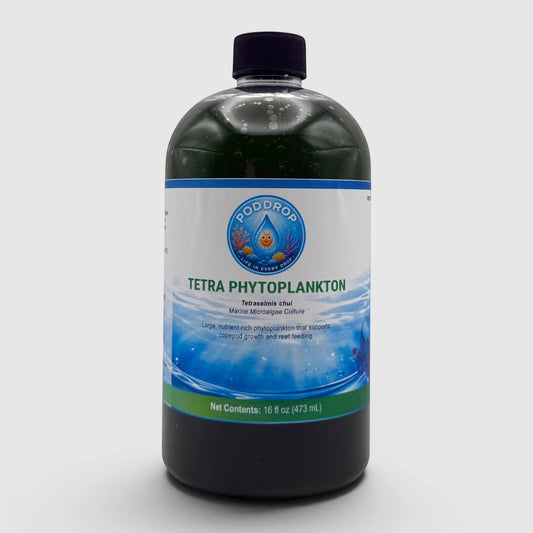
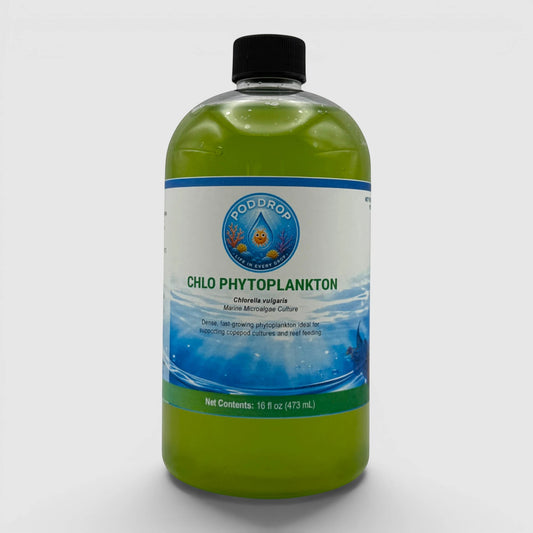
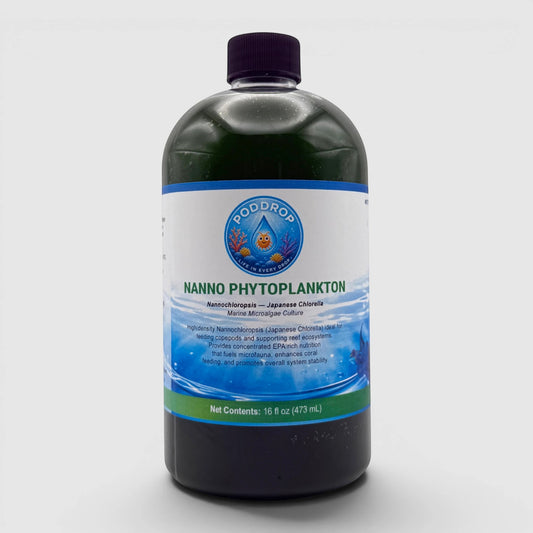
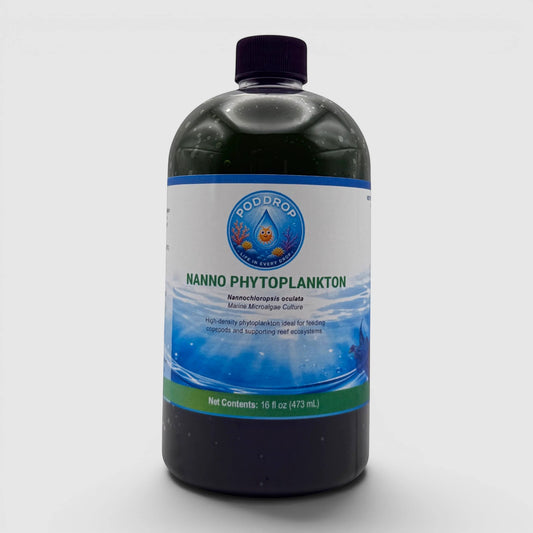
Includes Chlorella, Nannochloropsis, and Tetraselmis options with distinct cell characteristics and applications.

Gold and brown cultures

Diatoms and golden microalgae

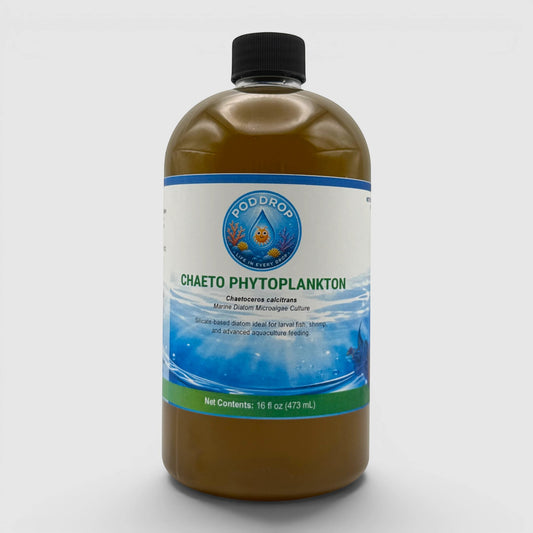
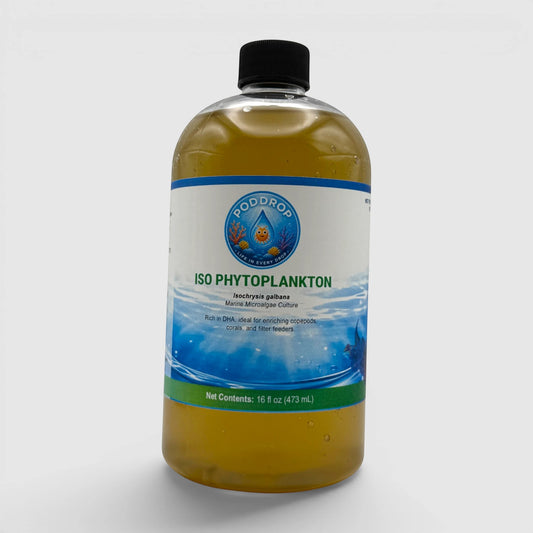
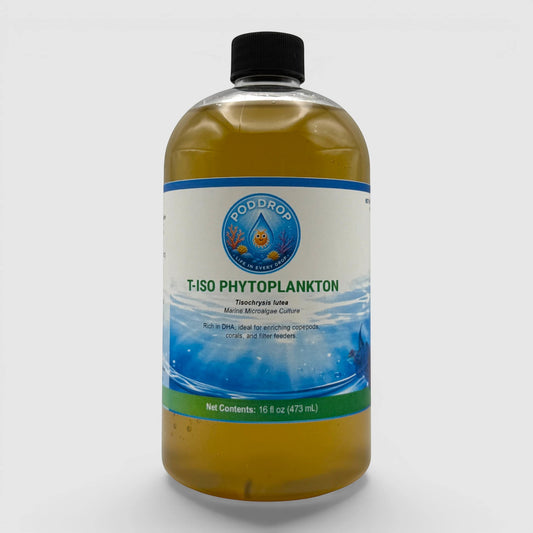
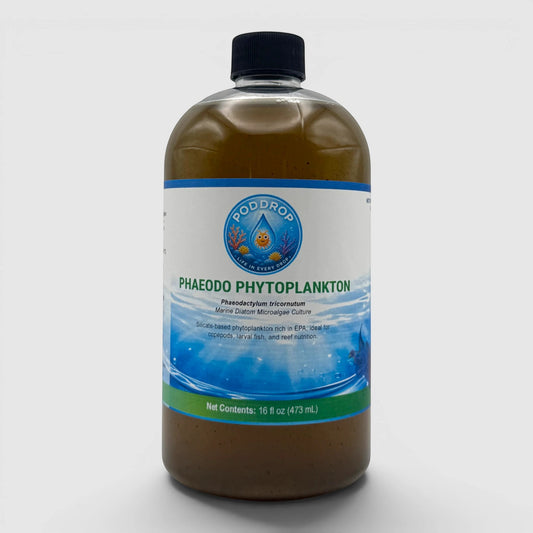
Includes Chaetoceros, Isochrysis, Pavlova, Phaeodactylum, Thalassiosira, and Tisochrysis offerings.

Red cultures

Red phytoplankton

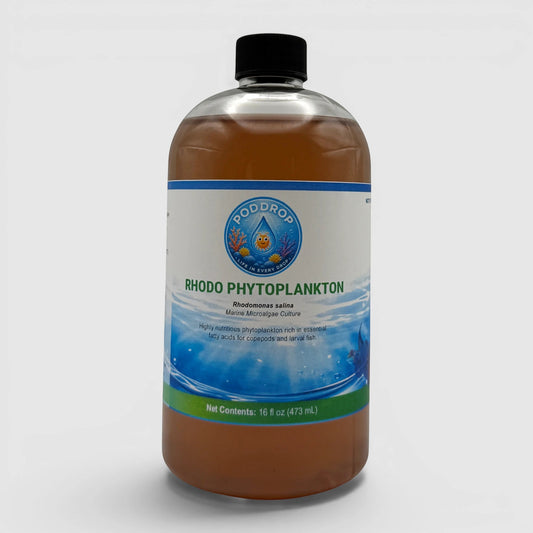
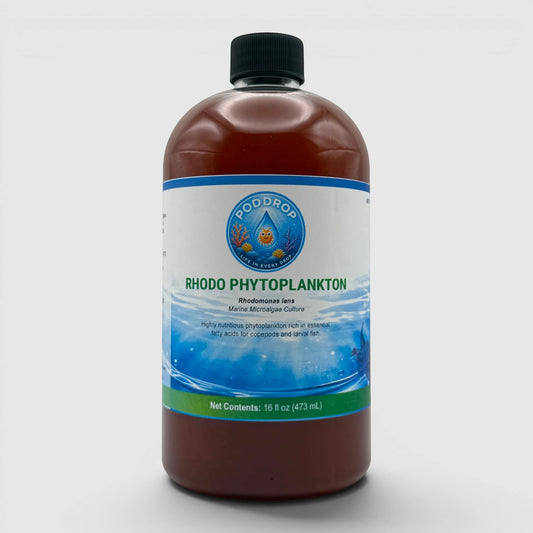
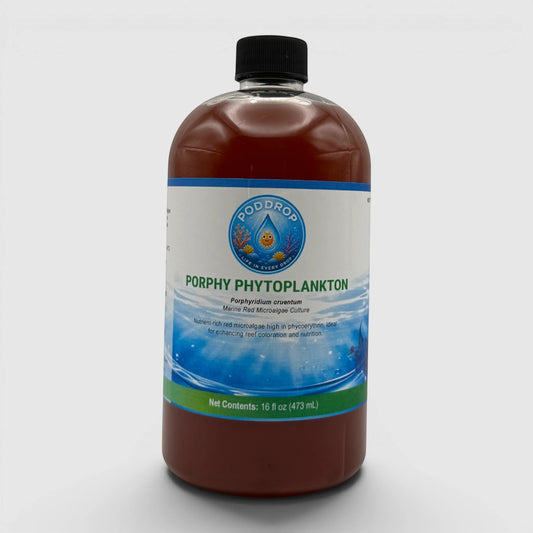
Includes Rhodomonas and Porphyridium offerings for customers who need those defined culture profiles.

Multi-species options

Phytoplankton blends

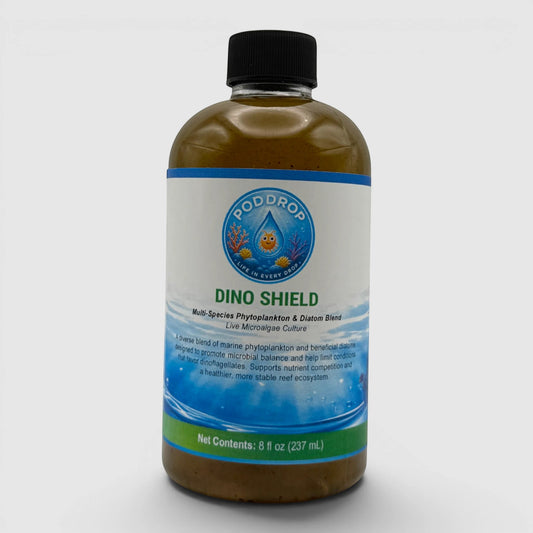
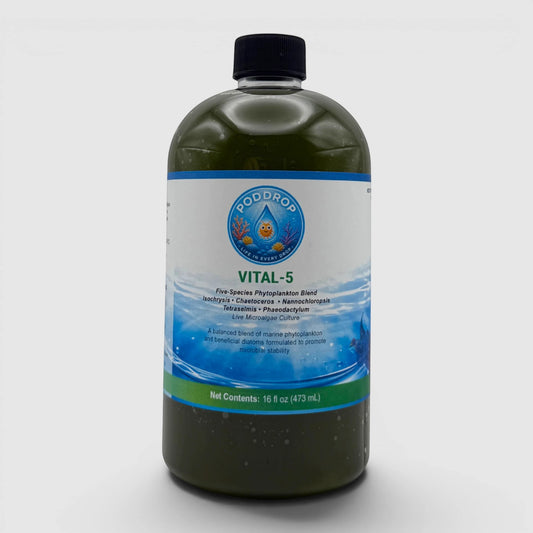
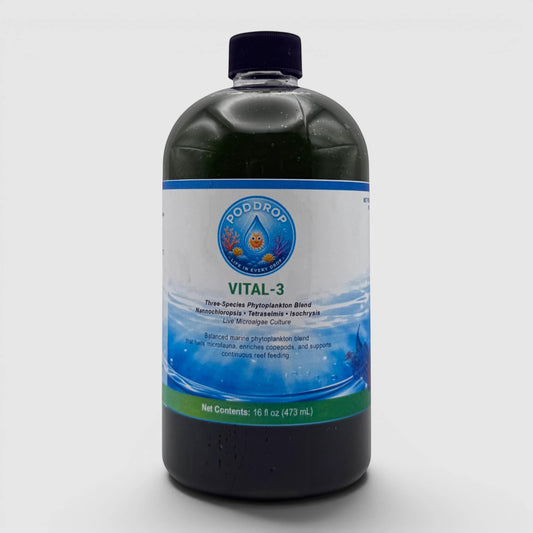
VITAL and other blends provide multiple listed species in one routine. Confirm the current formula on the product page.

Choose with purpose

The four questions to answer before ordering phyto

The most useful option is the one that matches the target organism, workflow, and handling capacity.

01

What are you feeding or culturing?

Reef systems, copepod cultures, filter feeders, larval programs, and research work may require different species, strains, and cell characteristics.

02

Single culture or blend?

Choose a single identified species or strain for tighter control, and a blend when a multi-species routine fits the program.

03

How will you store and use it?

Confirm refrigeration, handling, shelf-life, and dosing guidance on the specific product before delivery.

04

What can you observe and record?

For recurring or professional use, track product, lot, date, volume, storage, system response, and any protocol changes.

Build a consistent routine

Select, receive, store, and use with intention

Consistency matters more than copying a universal dose from another aquarium.

01

Define the target

Identify the organism, aquarium, or culture that the phytoplankton is intended to support.

02

Select the format

Compare strain, blend, volume, and current product-specific directions.

03

Receive and inspect

Bring the package inside promptly and follow the receiving guidance on the label.

04

Store and document

Follow the stated storage method and keep a simple record when optimizing a repeat routine.

LIVE PHYTOPLANKTON FAQ

Choose and handle live phyto with confidence

What is the difference between a single culture and a blend?

A single-culture product provides one identified species or strain. A blend combines multiple listed species or strains for customers who prefer a multi-species format. The product page identifies the current contents.

Which phytoplankton should I choose for copepods?

Start with the copepod species, life stage, culture method, and desired prey size. Review both product pages or contact PodDrop for a more specific culture-program discussion.

Does phytoplankton need refrigeration?

Follow the label and product-specific storage directions. Requirements and useful storage time can vary by species or strain, blend, format, and intended use.

How much phytoplankton should I dose?

Use the product directions as a starting point and account for system volume, filtration, water clarity, nutrient management, target organisms, and frequency. More is not automatically better.

Should I turn off filtration when dosing?

There is no universal answer for every system. Follow the product guidance and consider the type of filtration, the target organism, water quality, and how long equipment would remain off.

Can I use more than one phytoplankton product?

Yes, but first compare the included species or strains and intended uses. A defined multi-species blend may be simpler if your goal is already covered by that formula.

How can I tell whether the product is still suitable?

Inspect it promptly and follow the stated storage and use window. If color, odor, packaging condition, temperature exposure, or appearance causes concern, keep the product and contact PodDrop before use or disposal.

Can I start my own culture from a retail bottle?

Use only products and instructions identified for that purpose. Culture outcomes depend on sterile technique, water, nutrients, light, temperature, aeration, and contamination control and are not guaranteed.

PodDrop Knowledge Hub

Build a more informed feeding or culture program

Use the Knowledge Hub for practical articles on live feeds, copepod selection, phytoplankton handling, and repeatable aquarium or culture workflows.

VERIFIED CUSTOMER FEEDBACK

What customers say about PodDrop